Neon Tetra (Paracheirodon innesi)
Introduction
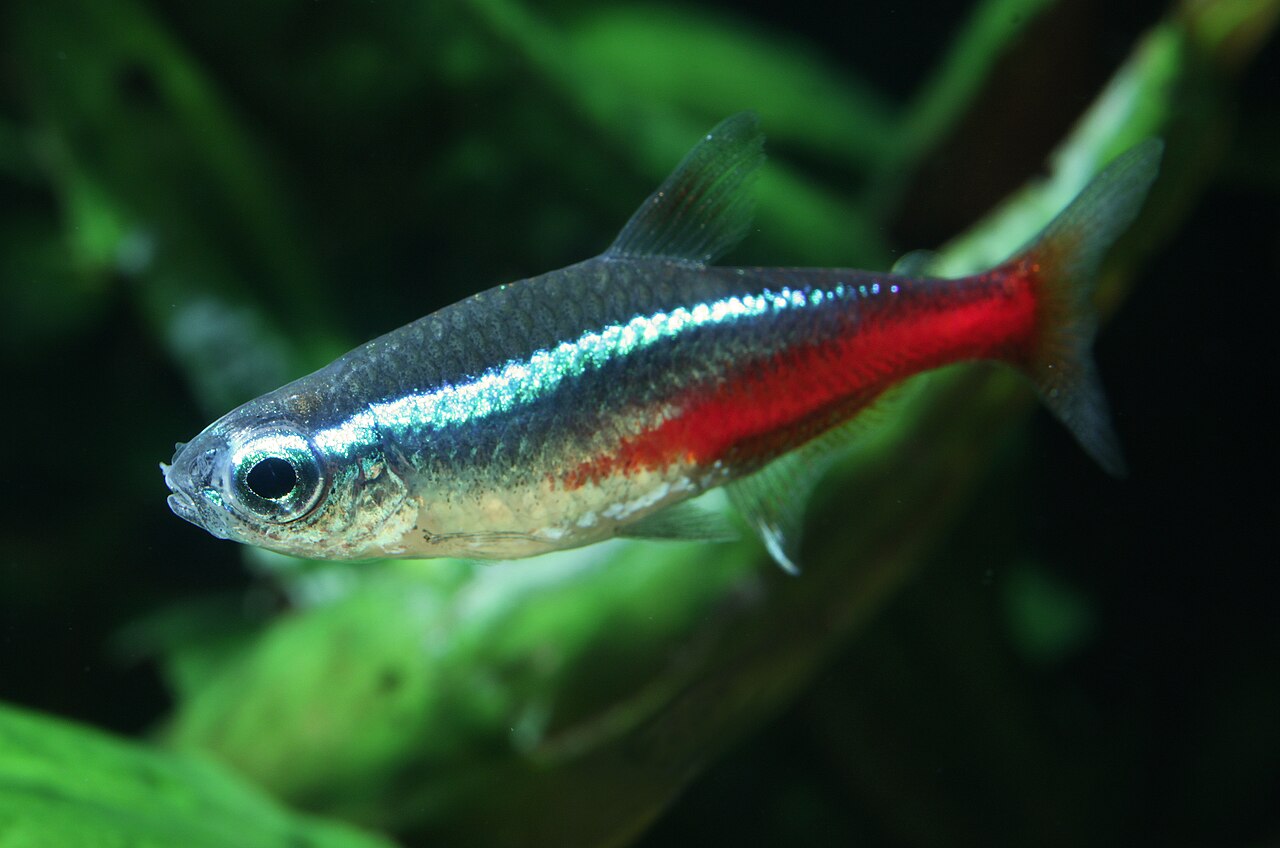
The Neon Tetra is one of the most iconic, popular, and vibrant freshwater fish in the aquarium hobby. Native to the blackwater rivers of South America, they are famous for their iridescent blue lateral stripe and striking red tail. They are peaceful, tightly schooling fish that bring incredible color and activity to community aquariums.
Care & Requirements
- Difficulty: Easy / Beginner-friendly
- Temperament: Peaceful schooling fish (keep in groups of 6 or more)
- Diet: Omnivore (accepts high-quality flakes, pellets, daphnia, and brine shrimp)
- Temperature: 70°F–78°F (21°C–26°C)
- pH Range: 6.0–7.0 (prefers slightly acidic water)
- Hardness: Soft water (1–10 dGH)
Light & Environment Needs
- Intensity: Low to Medium (bright light can make them shy and wash out their colors)
- Tank Setup: Heavily planted tanks with dark substrate and driftwood mimic their natural habitat and make their colors pop.
- Water Quality: Sensitive to poor water conditions; requires a mature, fully cycled filter.
Size & Placement
- Maximum Size: 1.5 inches (4 cm)
- Minimum Tank Size: 10 gallons (38 liters)
- Tank Placement: Mid-water swimmers
Compatibility Note: Neon Tetras & General Plants
Neon Tetras are 100% safe to keep with live plants. They are arguably the most perfect fish for a planted aquarium for several key reasons:
- Zero Destruction: They do not chew on leaves, eat plant tissue, or damage delicate aquarium mosses.
- No Substrate Digging: Unlike cichlids or goldfish, tetras do not dig into the substrate. They will never uproot newly planted stems or carpeting plants.
- Natural Fertilizer: Tetra waste provides a steady, gentle supply of macronutrients (nitrogen and phosphorus) that live plants absorb to grow.
Best General Plant Types for Neon Tetras
Because Neon Tetras originate from shaded jungle streams, they thrive best with specific Categories of plants:
- Broad-Leafed Shading Plants: Anubias and Amazon Swords provide excellent canopy cover. Tetras love resting under their wide leaves to escape bright aquarium lights.
- Background Jungle Plants: Tall, fine-leafed plants like Vallisneria, Rotala, or Ludwigia create a "jungle" wall that mimics the riverbanks of the Amazon, making the fish feel secure enough to school actively.
- Floating Plants: Frogbit or Salvinia are excellent for filtering intense light, creating the dappled, dim environment that makes Neon Tetra colors glow most vibrantly.
Compatibility with Other Fish Families
When building a community tank around Neon Tetras, the golden rule is size and temperament. Because Neon Tetras are small and peaceful, they should only be housed with non-aggressive fish that cannot fit a tetra into their mouths.
Highly Compatible Families (Safe Choices)
- Other Characins (Tetra Family): Keeping them with other peaceful tetras works beautifully. Great choices include Ember Tetras, Black Neon Tetras, and Rummy-Nose Tetras. They share identical water parameters and add diverse visual layers.
- Cyprinids (Rasboras, Danios, & Small Barbs): Schooling fish like Harlequin Rasboras, Zebra Danios, and Cherry Barbs are exceptional tank mates. They are peaceful and occupy the upper half of the tank, leaving the middle to the neons.
- Callichthyidae & Loricariidae (Peaceful Catfish): Bottom-dwelling catfish like Corydoras (such as Pygmy or Bronze Cories) and small algae-eating Otocinclus or Bristlenose Plecos are ideal. They stay completely out of the tetras' way, taking up the lower level of the tank.
- Cobitidae (Loaches): Small, eel-like loaches such as Kuhli Loaches are wonderful community citizens. They are entirely peaceful and clear away leftover food from crevices at night.
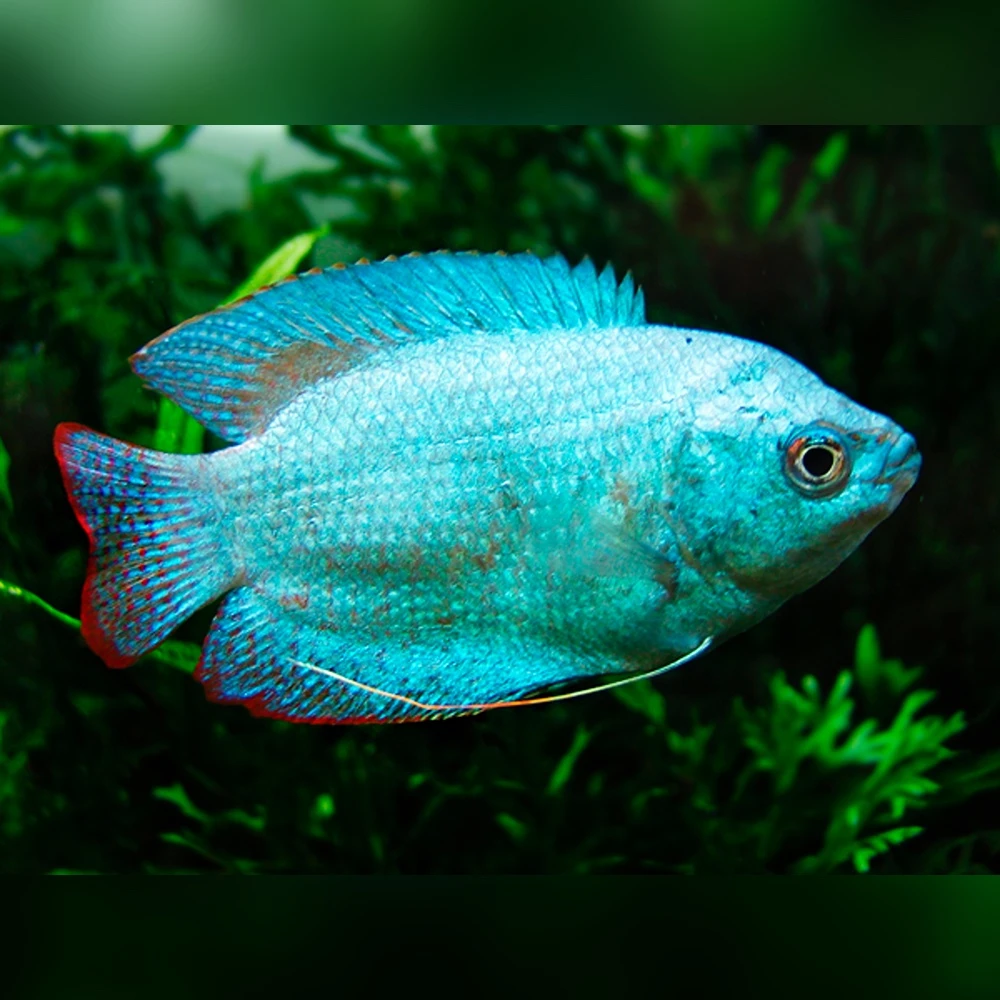
- Osphronemidae (Peaceful Gouramis): Smaller, docile species like Honey Gouramis act as great colorful "centerpiece" fish without posing a predatory threat to your neons.
Dangerous / Incompatible Families (Hard Avoid)
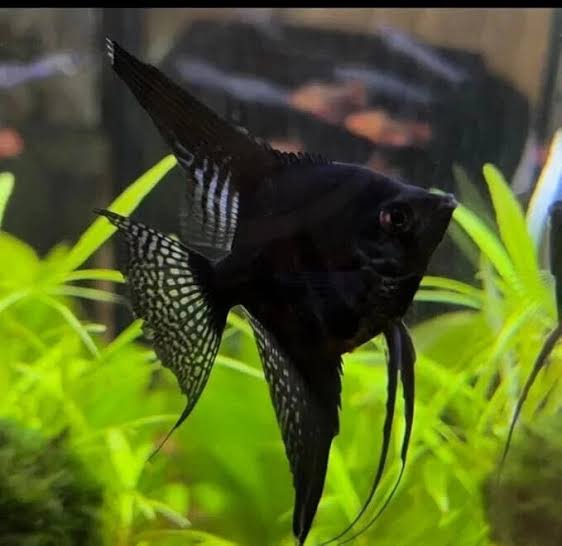
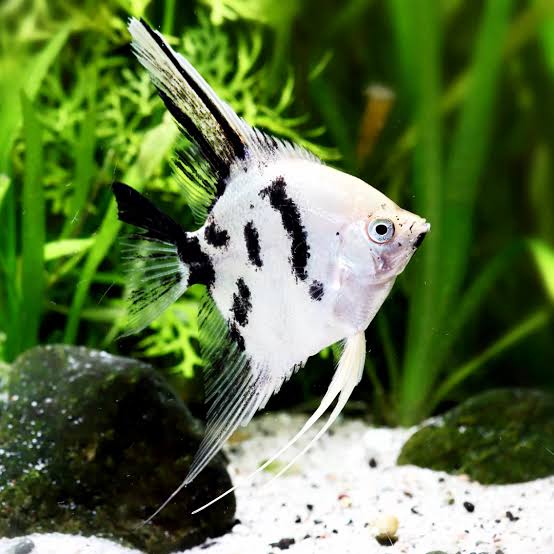
- Large Cichlids: Highly predatory families (Oscars, Jack Dempseys, and adult Angelfish) must be avoided. Even though Angelfish are from the Amazon, an adult Angelfish will easily hunt and devour tiny Neon Tetras.
- Aggressive Barbs: Species like Tiger Barbs are notorious fin-nippers that will relentlessly chase, stress, and injure delicate Neon Tetras.
- Large Predatory Catfish: Any large catfish species will view sleeping Neon Tetras as an easy midnight snack.