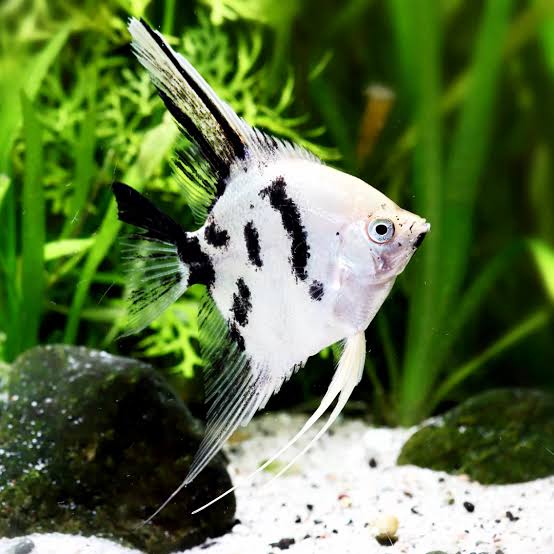

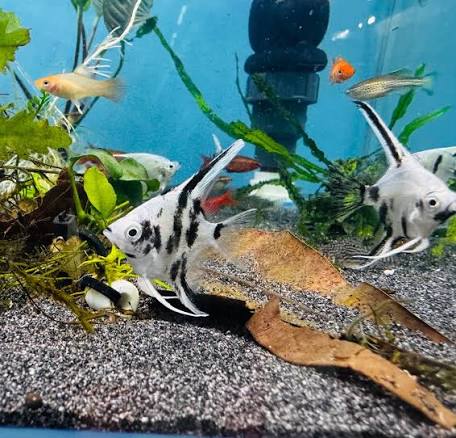
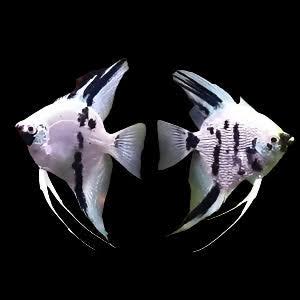
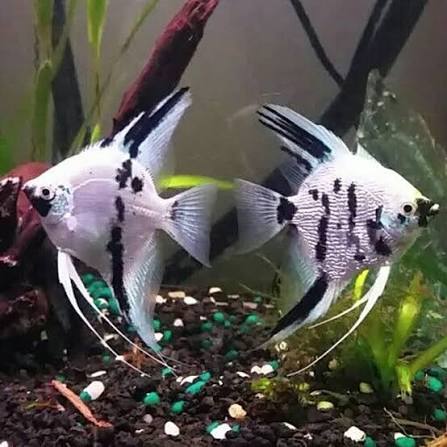

The Panda Angelfish (Pterophyllum scalare) is a highly sought-after, captive-bred color variant of the freshwater angelfish, celebrated for its striking black-and-white color pattern that mirrors the appearance of a giant panda. Bred selectively from domestic lines, these fish feature an iridescent platinum white body heavily contrasted by random, mottled black patches. Because the patch layouts are entirely random, no two Panda Angelfish share the exact same pattern.
Physical Characteristics
Appearance: They feature a laterally compressed, disc-shaped body with elegant, vertically elongated dorsal and anal fins. High-quality strains display a bright, shimmering platinum white base. Some variations may also show subtle orange highlights near the head or a hint of blue in the dorsal fin.
Size: They grow up to 6 inches (15 cm) long and can reach over 8 inches (20 cm) tall including their long fins.
Aquarium Setup & Water Parameters
Because of their extreme vertical height, Panda Angelfish strictly require tall aquariums with plenty of open vertical swimming space.
Minimum Tank Size: At least 30 to 40 gallons (approx. 120 liters) for a pair, though larger tanks (55+ gallons) are highly recommended if keeping a small group.
Environment: They thrive best in heavily planted aquariums featuring vertical elements like branching driftwood and smooth rocks to mimic their natural Amazonian slow-moving habitats.
Temperature: 76°F to 86°F (24°C to 30°C).
pH Range: 6.5 to 7.5, requiring clean, stable conditions with low to moderate water hardness.
Diet & Temperament
Temperament: They are generally semi-peaceful community fish. They shoal comfortably together when young but can become territorial toward each other as they mature or establish mating pairs.
Tankmates: Good tankmates include peaceful, medium-sized fish like Corydoras catfish, larger tetras (e.g., Bleeding Heart or Buenos Aires tetras), gouramis, and livebearers. Avoid very small nano fish (like Neon Tetras) and dwarf shrimp, as adult angelfish will aggressively hunt and eat small invertebrates and tiny fish. Avoid notorious fin-nipping fish like Tiger Barbs, which will shred the angel's long fins.
Diet: As omnivores with carnivorous preferences, they happily accept cichlid flakes/pellets, alongside routine feedings of frozen or live foods like bloodworms, brine shrimp, and Mysis shrimp
Specification
Value
Size
7 CM
Reviews will be added later.
Related Products
Livestock Currently Available In-Store
JOD 7.00
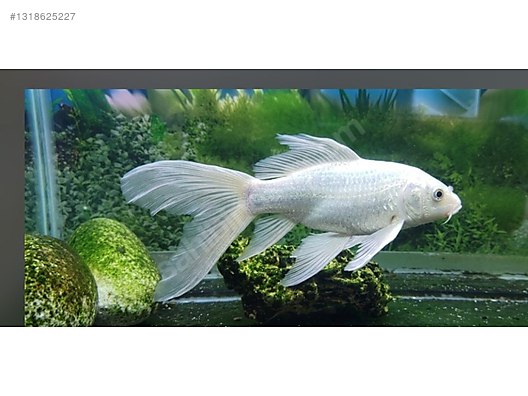
Platinum Butterfly Koi
Livestock Currently Available In-Store
JOD 0.75
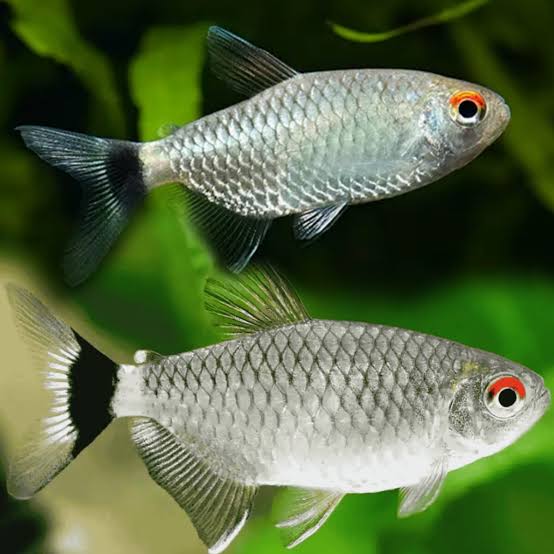
Red Eye Tetra
Livestock Currently Available In-Store
JOD 2.00
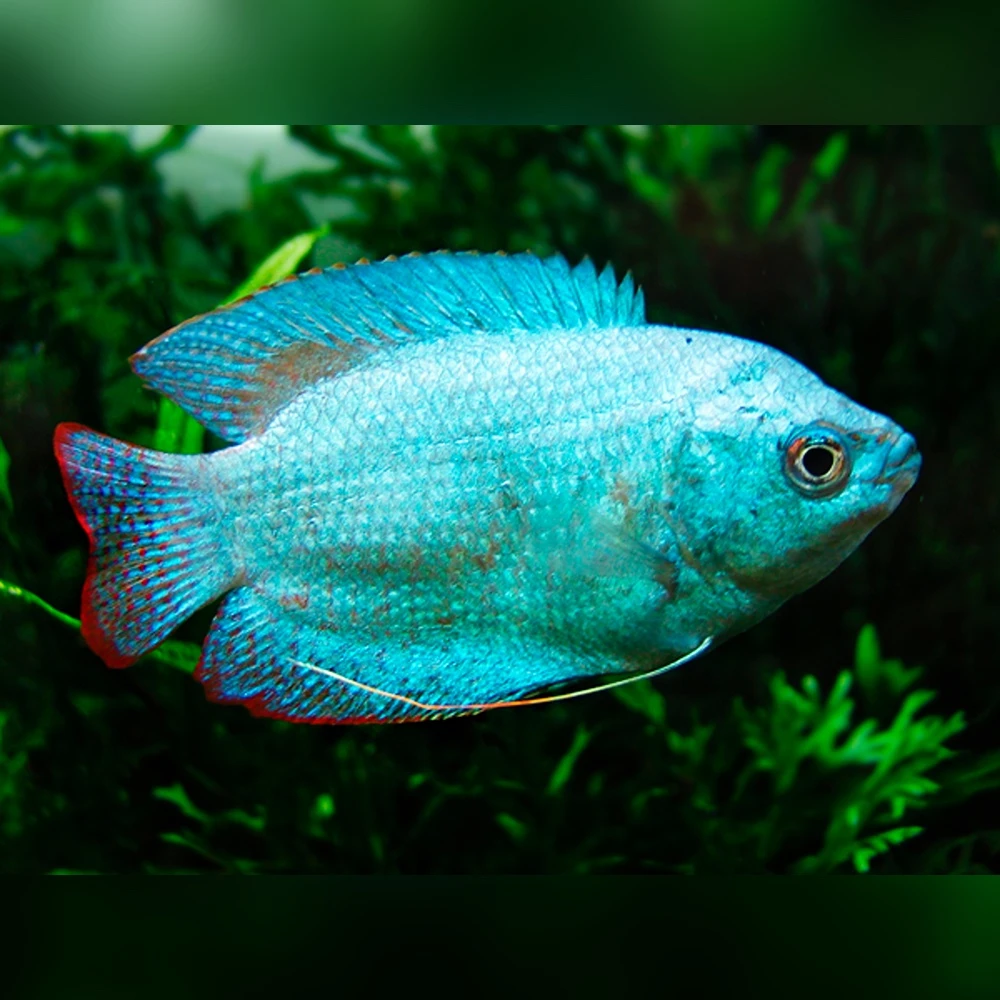
Blue Dwarf Gourami
Livestock Currently Available In-Store
JOD 5.00
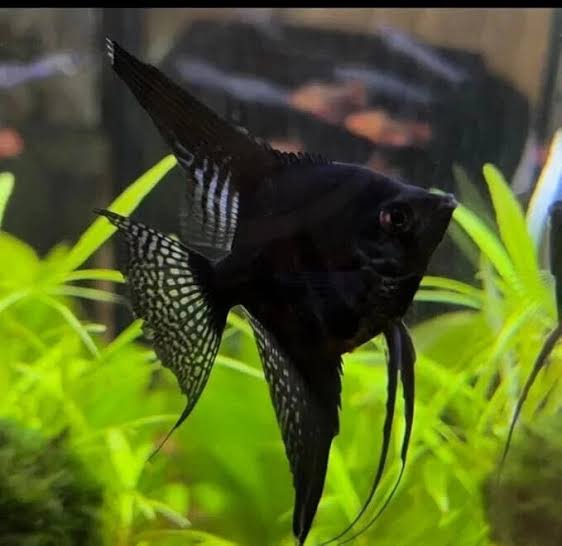
Black Angelfish
Livestock Currently Available In-Store
JOD 0.75
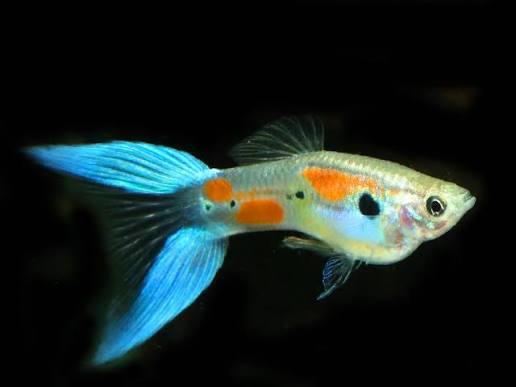
Male lyretail guppy
Livestock Currently Available In-Store
JOD 85.00
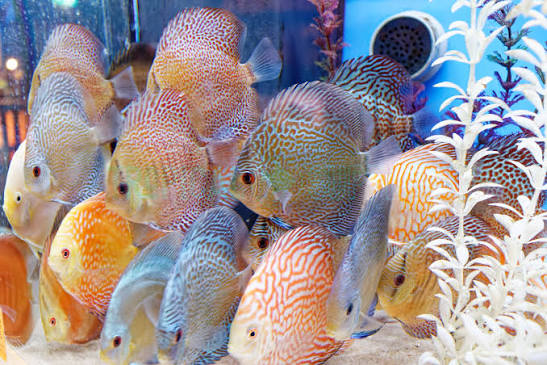
Assorted discus 6.25"
Back in Stock
Livestock Currently Available In-Store
JOD 1.50
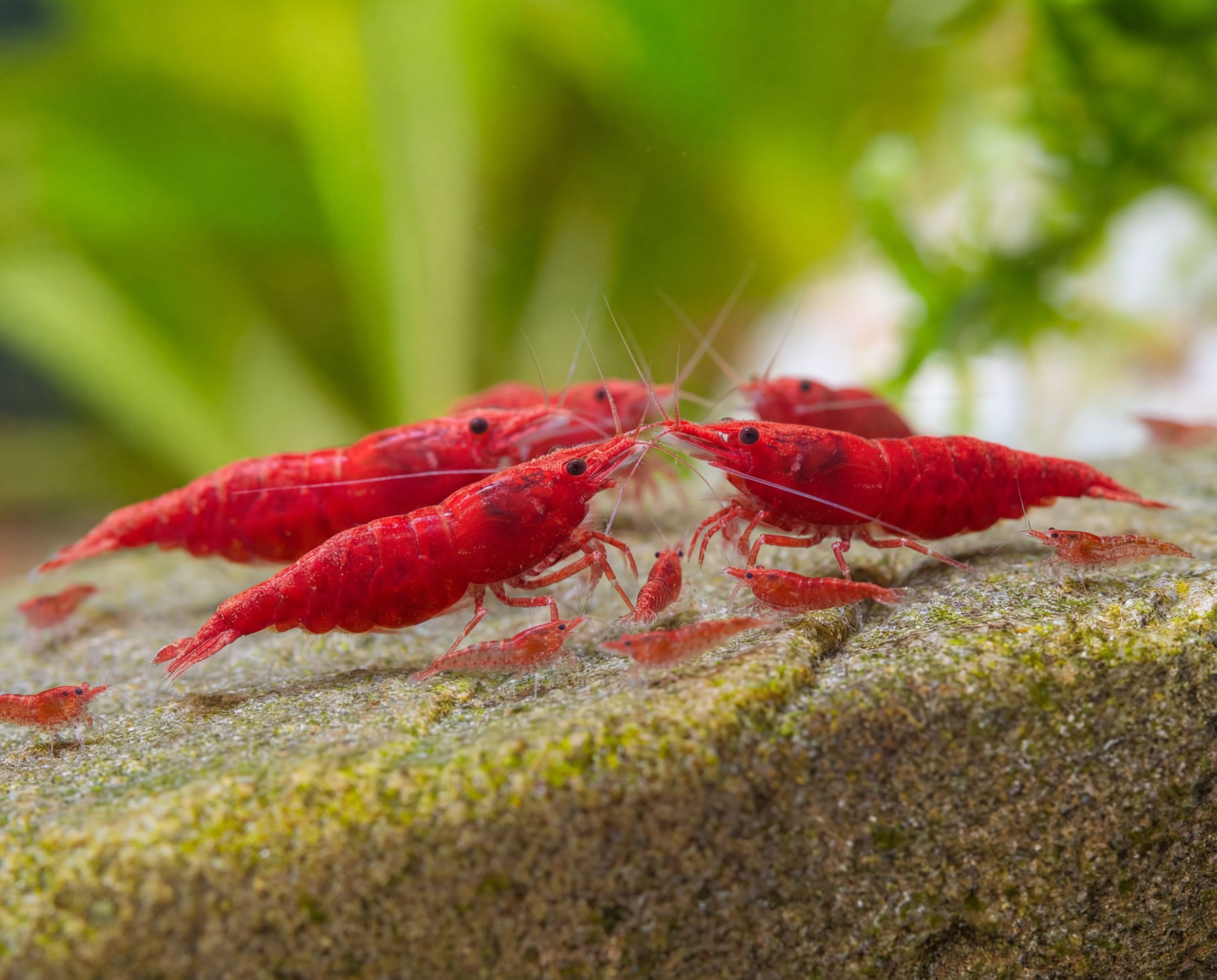
Mixed Shrimp
Livestock Currently Available In-Store
JOD 2.50
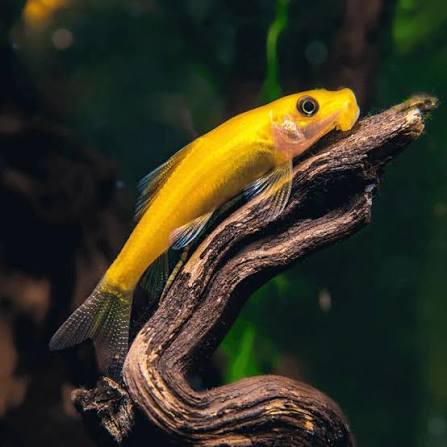
Albino Algae Eater
Sign in to track orders, manage your cart, and checkout faster.
Active Sale
Fresh offers are waiting.
Selected products are currently discounted for a limited time.