
FREE Delivery for 50 JOD & more
Store Location
0
0
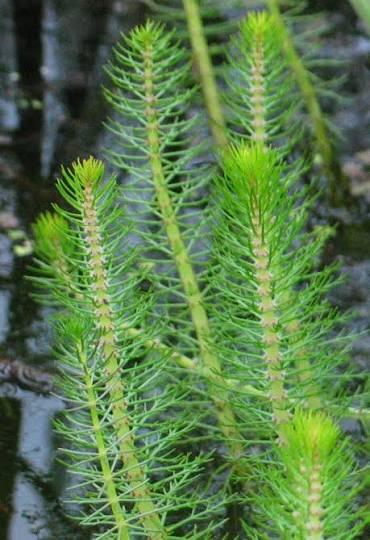
Myriophyllum mattogrossense
Myriophyllum mattogrossense thumbnail

Myriophyllum mattogrossense

JOD 2.50
Background Plants
Brand
Livestock Currently Available In-Store

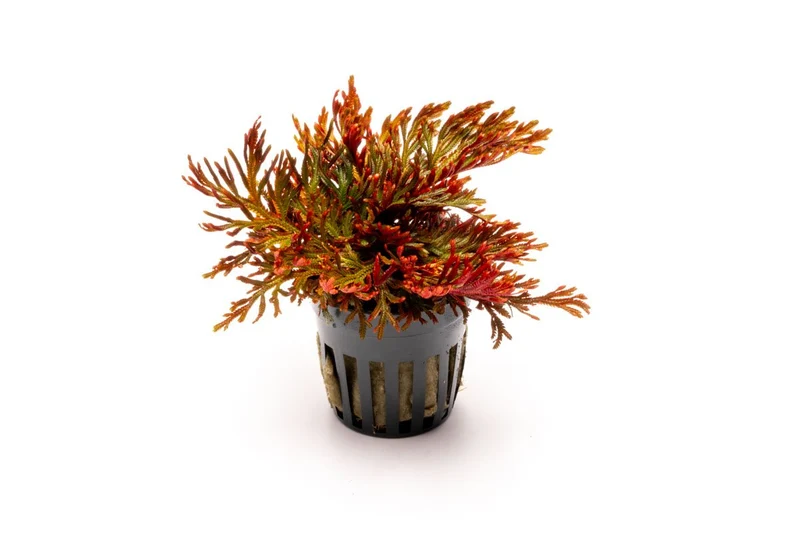
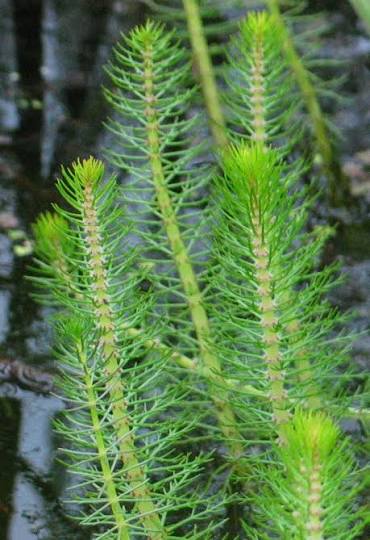
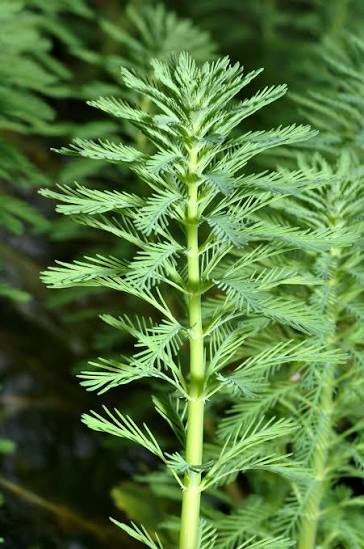
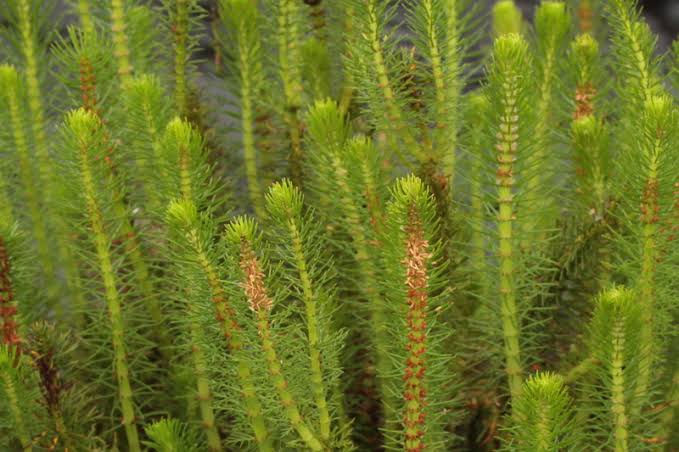
Myriophyllum mattogrossense (commonly misspelled as matagroensis) is a popular, fast-growing aquatic stem plant native to the wetlands and rivers of the Mato Grosso region in South America. Known commonly as Mato Grosso Milfoil, it is highly prized in the aquascaping community for its bright green, delicate, feather-like leaf whorls and its decorative reddish-orange stems.  
Because it grows quickly and efficiently absorbs excess nutrients from the water, it is frequently used as a natural "algae fighter" in new aquarium setups.  
 
📊 Quick Care Overview
Attribute Specification
Placement Midground to Background
Growth Rate Fast
Difficulty Easy to Moderate
Lighting Medium to High (High PAR develops red/orange hues)
CO2 Requirement Highly recommended for compact, dense growth
Temperature 18–28°C (64–82°F)
Water Parameters pH 5.5–7.0
Propagation Stem cuttings
🌿 Key Characteristics & Appearance
  • Feathery Foliage: Each leaf is pinnately compound, meaning it is divided into dozens of fine, needle-like segments that form a soft, bushy fan shape.  
  • Color Transformation: Under moderate lighting, the plant remains a vibrant, lush green. When exposed to high-intensity light (60–100 PAR) and pressurized CO2, the tips and new growth develop warm copper, orange, and reddish-brown tones.  
  • Submerged Flowers: In optimal conditions, it is known to regularly flower underwater, producing tiny pink flowers straight from its stem nodes.  
✂️ Planting & Maintenance
  1. Planting: Use aquascaping tweezers to plant individual stems directly into a nutrient-rich substrate. Leave a small amount of space between each stem to ensure light can penetrate down to the lower leaves.  
  2. Trimming: Because of its rapid growth, frequent pruning is required. Cutting the main stem encourages the plant to shoot out multiple lateral branches, creating a much denser, bushier appearance.  
  3. Replanting: To propagate, simply cut off the healthy top shoots or lateral runners and push them back into the substrate. If the lower shaded sections of the original plant begin to turn brown or drop leaves due to lack of light, pull out the entire root mass, discard the woody bottom, and replant the healthy tops.  
Specification Value

Reviews will be added later.

Related Products

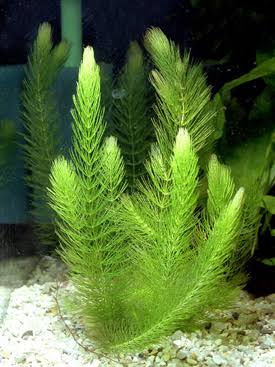
Ceratophyllum submersum
Livestock Currently Available In-Store
Ceratophyllum submersum
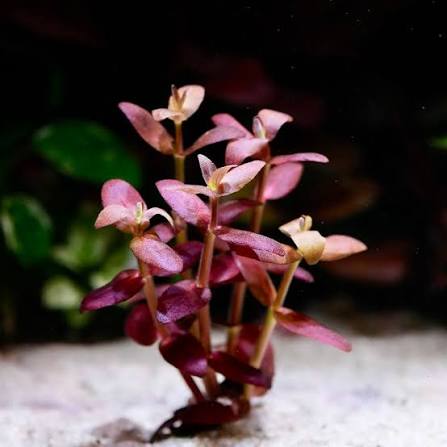
Bacopa salzmannii Purple
Livestock Currently Available In-Store
Bacopa salzmannii Purple
Microsorum windelov on Pterocapus wood -[M] 15cm
Livestock Currently Available In-Store
Microsorum windelov on Pterocapus wood -[M] 15cm
Microsorum pteropus on Pterocapus wood -[M] 10cm
Livestock Currently Available In-Store
Microsorum pteropus on Pterocapus wood -[M] 10cm
Microsorum pteropus on Pterocarpus wood -[L] 20cm
Livestock Currently Available In-Store
Microsorum pteropus on Pterocarpus wood -[L] 20cm
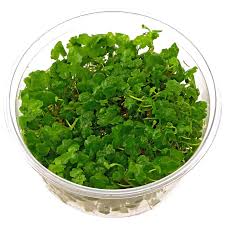
Hydrocotyle tripartita Tissue Culture (T/C) Cups
Livestock Currently Available In-Store
Hydrocotyle tripartita Tissue Culture (T/C) Cups
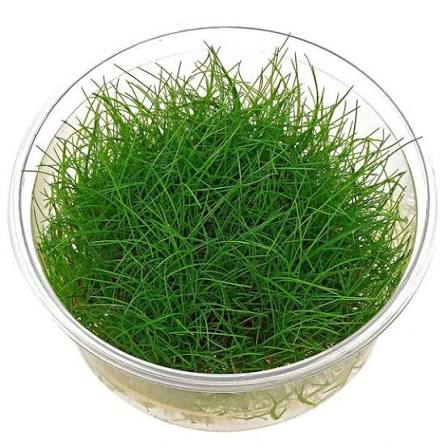
Eleocharis parvulus (acicularis) T/C CUP
Livestock Currently Available In-Store
Eleocharis parvulus (acicularis) T/C CUP
Selaginella erythropus
Livestock Currently Available In-Store
Selaginella erythropus
Your Cart
Loading...